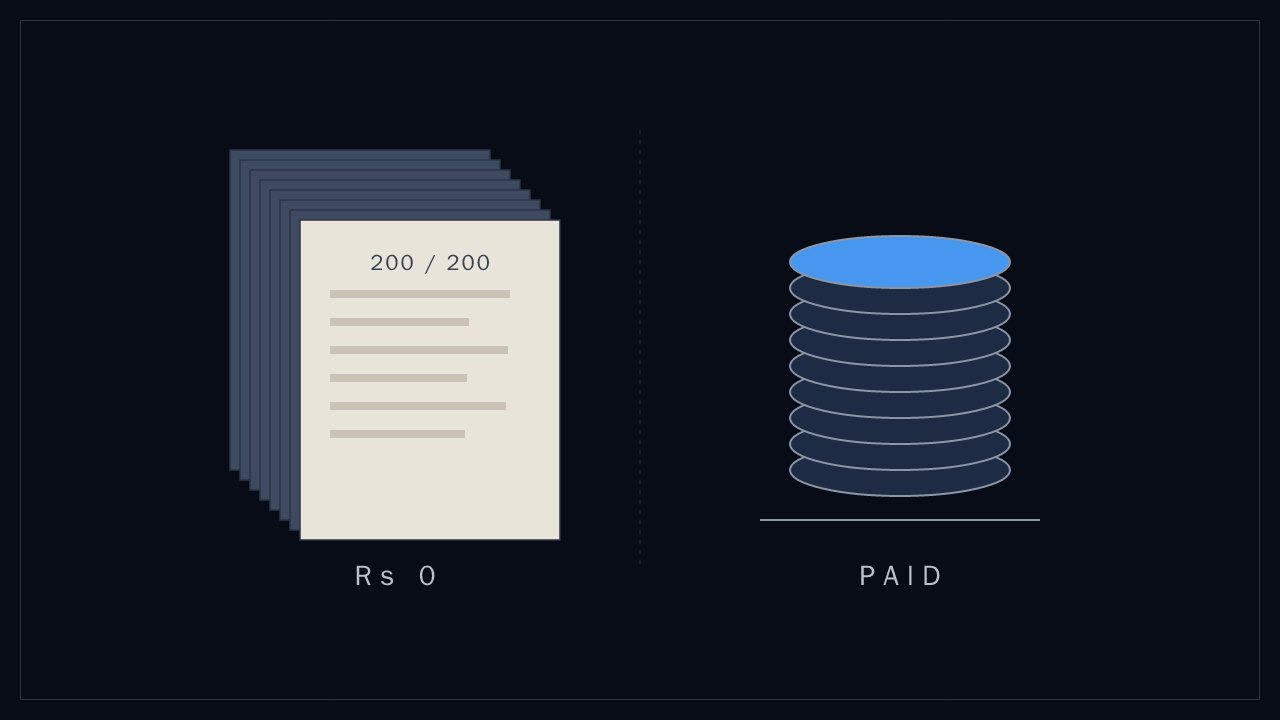
There is no mock-test count that makes every student ready for NET. A paper is useful when you review it, fix what it reveals and return to test whether those changes worked.
Choose a rhythm that leaves room for that cycle. If full papers are consuming the time you need for chapter repair, reduce them. If your concepts are improving but the full sitting still feels unfamiliar, add a rehearsal under realistic conditions.
Plan the review before the next sitting
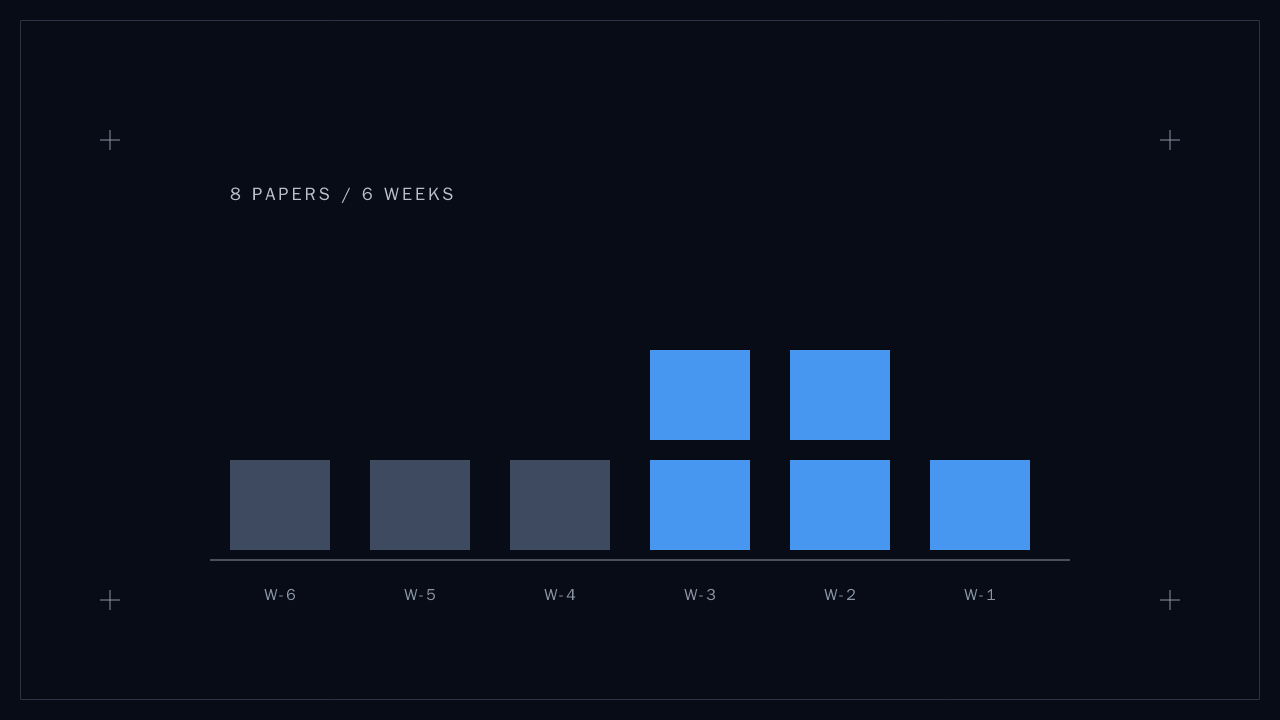
Begin with a baseline once you have enough syllabus coverage to learn from the errors. After each paper, choose the next practice from its review rather than scheduling another sitting automatically.
One full paper plus review can occupy a large part of a study day. Review time varies with your mistakes, so do not assume every paper requires exactly the same number of hours.
Increase exam-condition practice as the test approaches, while keeping space for targeted work. A late mock should help you make decisions; it should not become an unreviewed score you carry into the exam.
Turn a mock into a revision list
Do the review the same day or the next morning, while you remember why you picked each answer. Sort every lost mark into one of four bins:
- Didn't know it. Goes on the chapter list for the coming week.
- Knew it, ran out of time. A pacing problem. Check where your clock went against the section budgets in the CBNET pacing guide.
- Careless. Misread the question, wrong sign, wrong option clicked.
- Interface. Forgot to press SAVE, or lost time paging back with Prev.
The counts matter more than the score. If bin 1 shrinks from mock to mock, your study is working. If bin 2 stays large, more content won't help; you need faster methods. Bin 4 should be zero by week 3. If it isn't, do a run on the CBNET simulator and nothing else that day.
Recognise when testing replaces learning
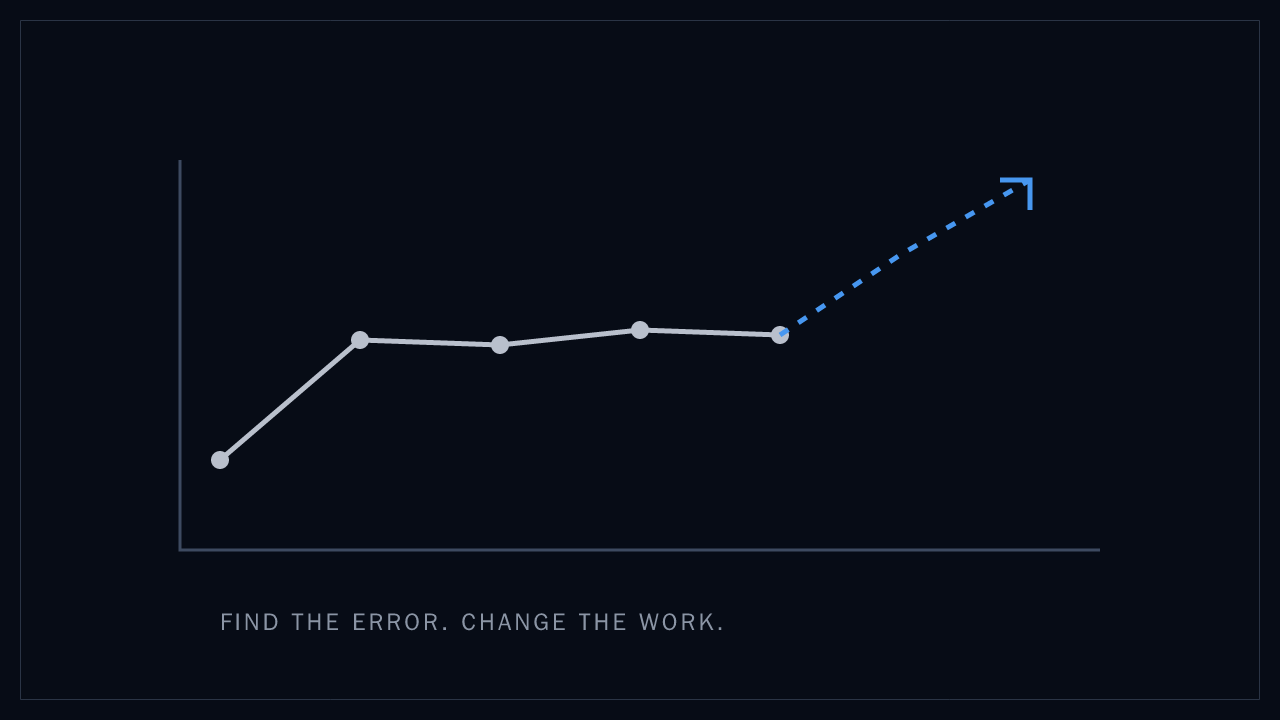
- Your last three scores sit within 5 marks of each other, and the same chapters keep failing.
- You skip reviews to fit in the next paper.
- You feel you "know" the papers because questions start to repeat.
Any one of these means stop sitting papers for a week. Spend that week on the chapters from bin 1, then sit one more.
Your next step
Use full papers for the rehearsal and chapter practice for the repair work between sittings. Keep a note of uncertain correct answers as well as wrong ones.
Read the pacing guide if timing is the main problem. The paid-mock guide explains why another package may not be the help you need.
The score-plateau guide includes a worked example of turning a paper into specific repair tasks.
Sources and scope
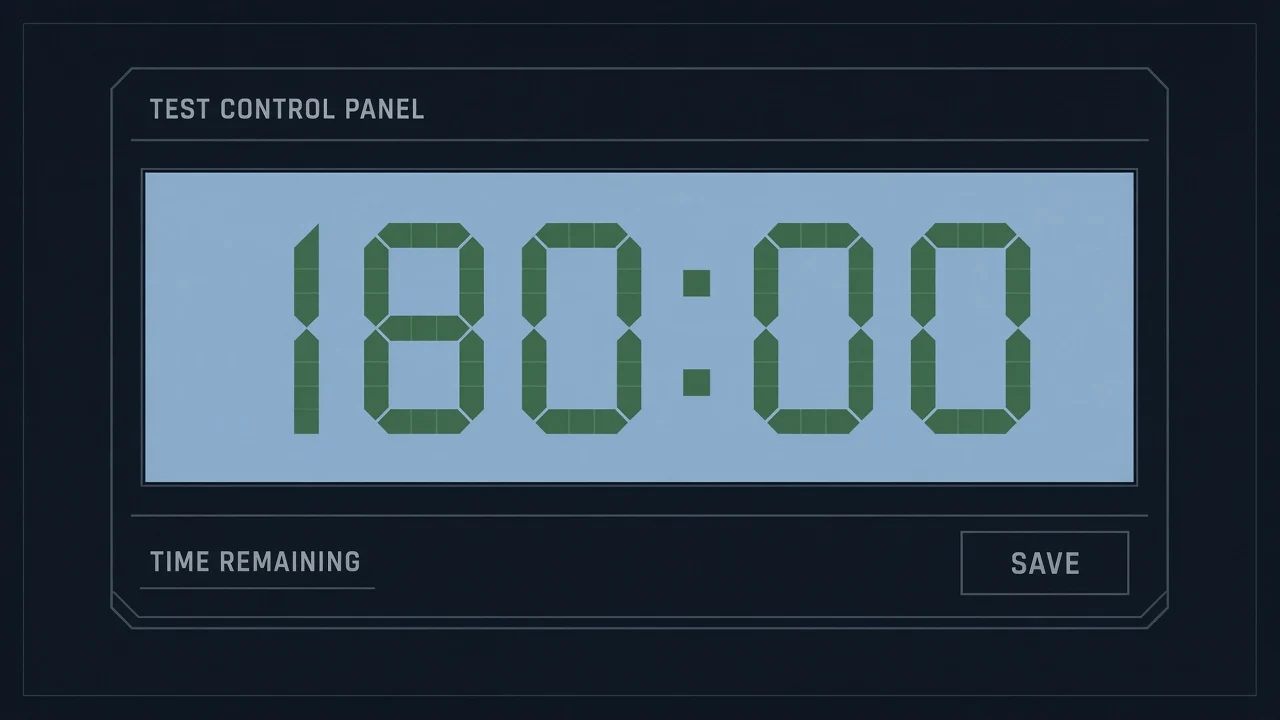
- NET is 200 MCQs in 180 minutes, about 54 seconds a question
- No negative marking, so every mock should be answered in full
Source: NUST FAQ and subjects included in NET pages; SailToNUST /flp page; checked October 2026