The final week is a good time to make your preparation easier to use. Review the mistakes you still repeat, rehearse the test format and settle the practical details that could distract you on the day.
You do not need to copy someone else's final-week mock count. If you have already reviewed several papers, targeted work may help more than another full sitting. If the interface is unfamiliar, a rehearsal may be the more useful task.
Use the week to reduce uncertainty
Choose revision from your error log. A forgotten formula, a confused definition and a recurring time problem need different sessions. Avoid spending the entire week rereading topics that already feel comfortable.
If you sit a mock, leave time to review it. A late score is feedback about that paper, not a final prediction of your NET result. Use the review to choose a small number of fixes.
Settle documents, travel and the session time early. Keep your sleep routine close to the one you will need for the exam, rather than using the last nights to recover a timetable you could not finish.
Review the errors that still repeat
Do not reread whole chapters. Open the mistake list from your recent full papers and rework those questions without looking at the solution. If you solve one cleanly twice, cross it off.
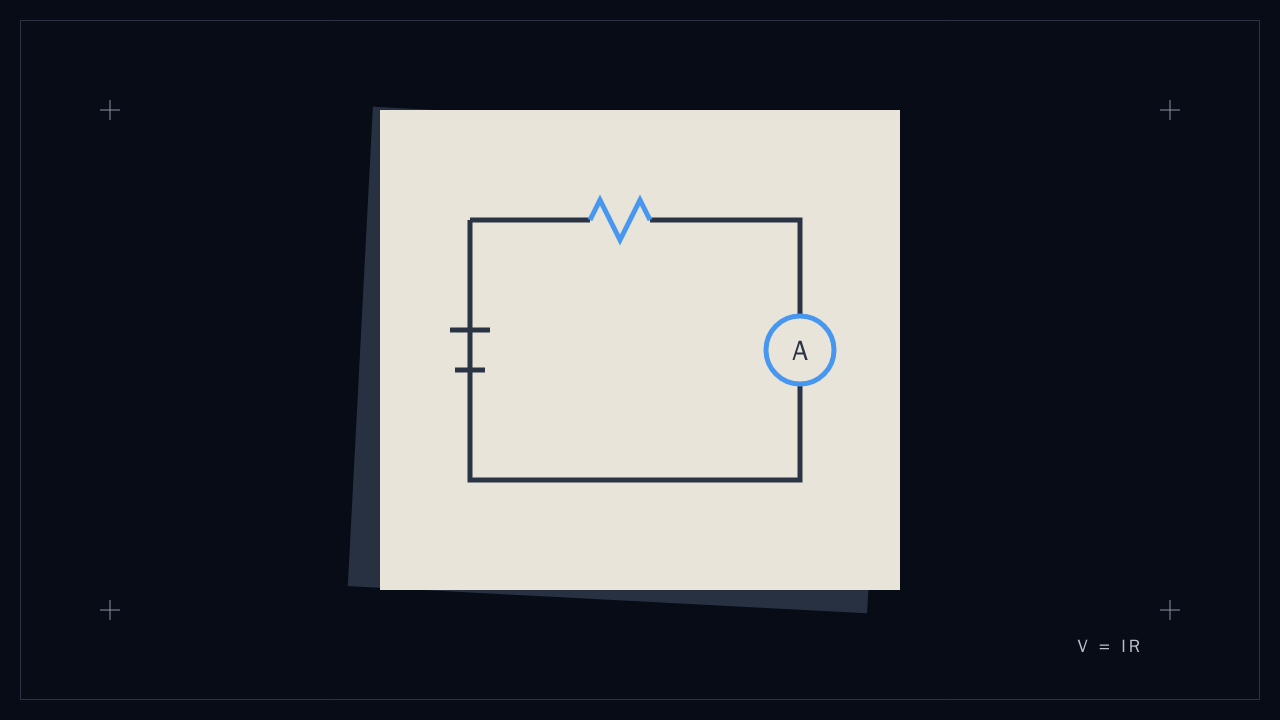
For formulas, use one sheet per subject. The maths formula sheet and the physics formula sheet are built for this. Read them once a day from day 5. Do not copy out a new one from a different book.
For English, go back over the words you have already learned instead of adding new ones. Words you met once last week are weaker than you think.
Make the test controls familiar
If you sit CBNET in Islamabad or Quetta, the interface needs as much rehearsal as the content. The real client:
- Records an answer only when you press SAVE.
- Lets you flag a question only after an answer is saved.
- Has no question grid, only Next, Prev, First and Last.
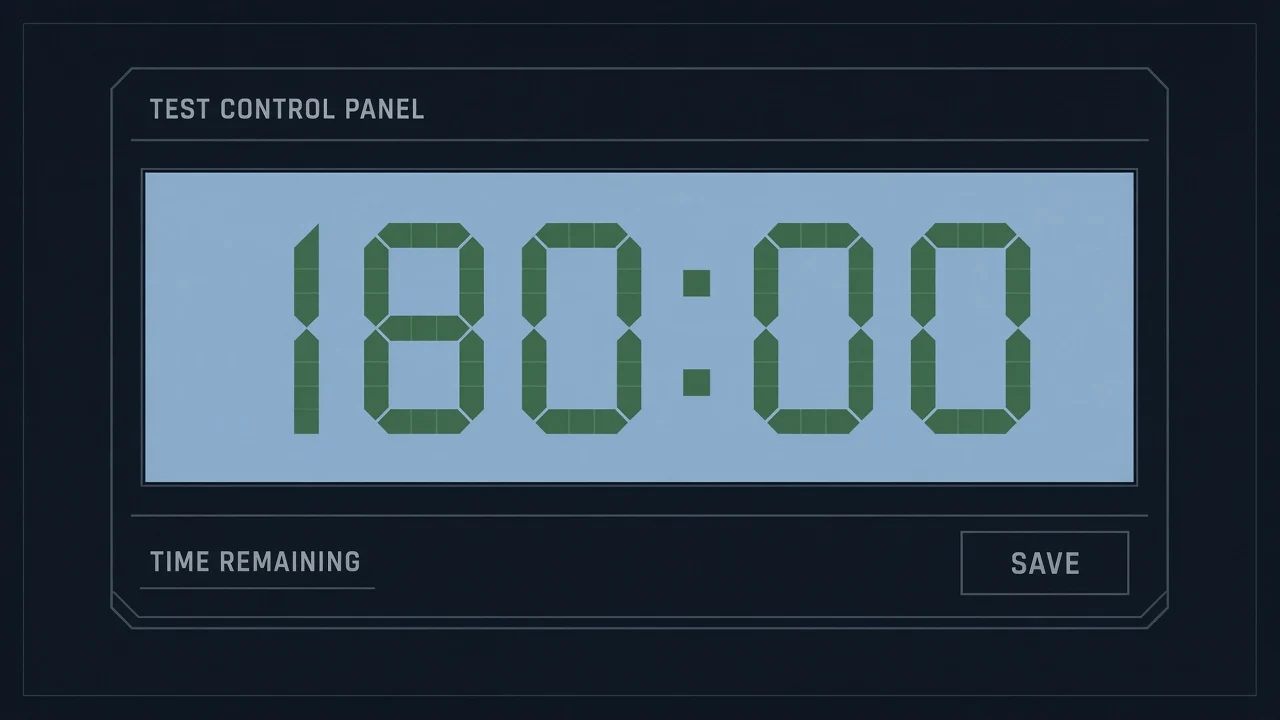
- Has one clock for the whole paper, with no per-section timer.
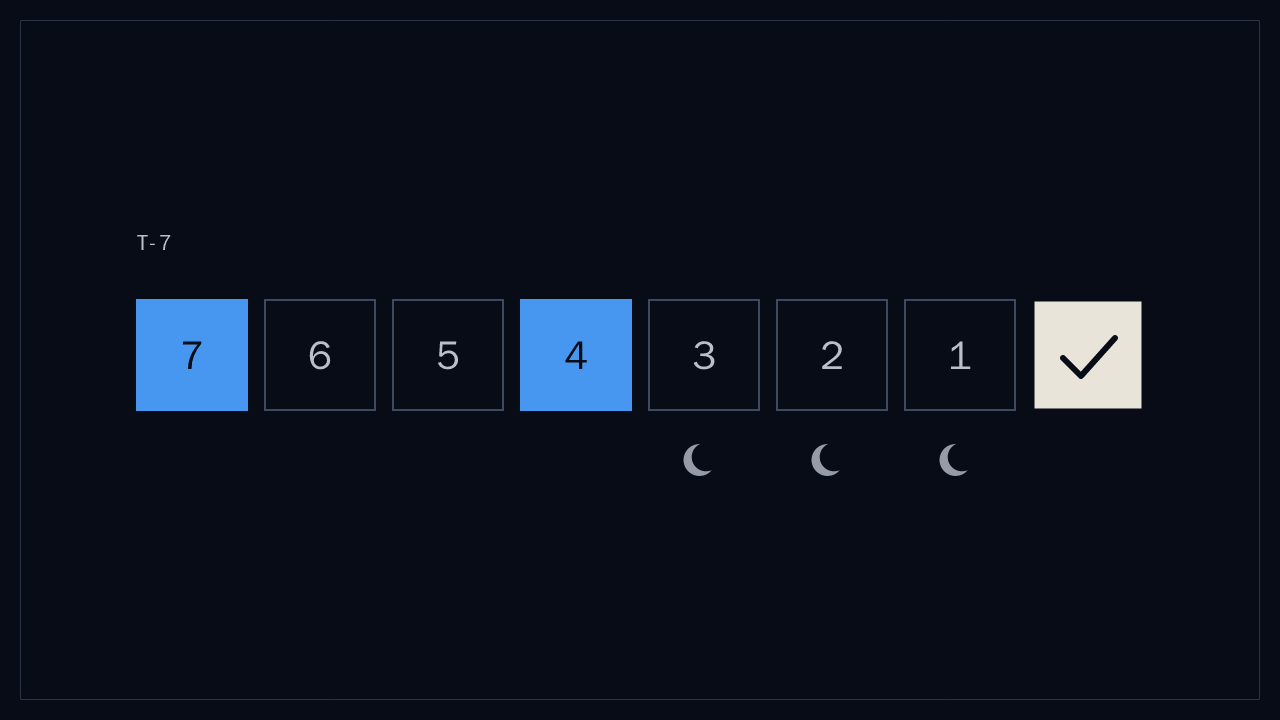
Day 4 is for a full paper on the simulator with those rules. Practise select, SAVE, Next until you stop thinking about it. Then practise the last ten minutes: a sweep for any unsaved answer before FINISH. The pacing post has section budgets you can rehearse at the same time.
Keep the final hours simple
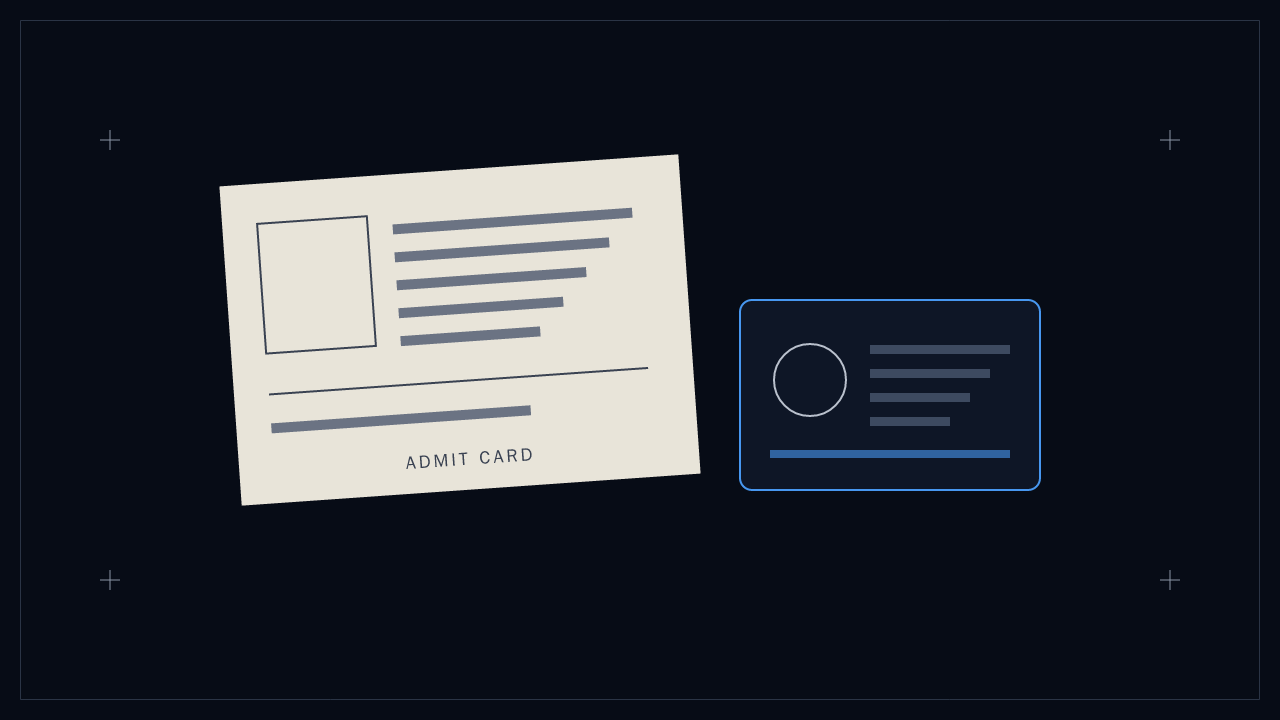
Stop studying by early evening. Eat normally. Put the folder with your admit card and ID by the door. Set two alarms.
In the morning, eat something, leave with time to spare, and do not open notes in the waiting area. Once the paper starts, remember there is no negative marking. Every question gets an answer before you press FINISH, even if the last five are guesses.
Your next step
Use the test-day checklist and your current admit-card instructions. Try the simulator if you are sitting CBNET, then stop rehearsing once the controls are familiar.
For a last targeted session, choose a topic in chapter practice and test whether you can now explain the corrected method. The pacing guide can help with the remaining clock decisions.
Sources and scope
- Bring your admit card and one original photo document: CNIC, passport, Family Registration Certificate, or matric or FSc certificate
- NUST keeps the admit card at the test centre for verification
Source: NUST procedure and FAQ pages, checked October 2026