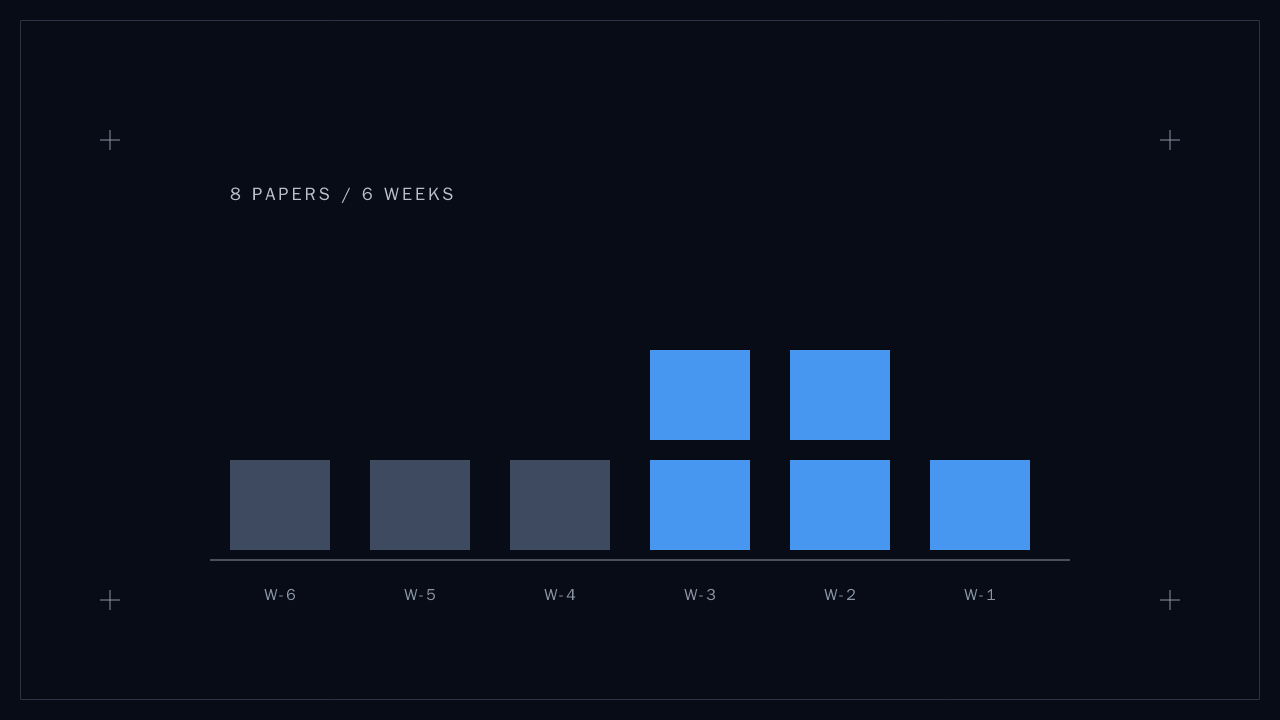
Before joining a NET academy, look at the last week you studied on your own. Did you miss sessions because nobody set the timetable? Or did you study consistently and get stuck on particular chapters? Those problems need different help.
An academy can provide teaching and an outside schedule. Self-study lets you spend more time on your own weak topics and avoids travel. Neither choice removes the need to solve questions, review mistakes and practise under the clock.
The aim is to choose a routine you will follow, not to copy whichever route a high scorer happened to take.
What changes in your week
| Part of preparation | Academy | Self-study |
|---|---|---|
| Someone else sets the timetable | Yes | No |
| Teacher available | Yes, check access and class size | No, unless you arrange help |
| Control over chapter order | Not stated, depends on the course | Yes |
| Travel needed | Yes, campus classes | No |
| Free practice possible | Yes, alongside classes | Yes |
| Guaranteed NUST admission | No | No |
A tick is availability, not proof that the option will work better for you.
When an academy earns its place
Consider teaching if a chapter remains unclear after a careful textbook review and worked examples. Being able to ask why a step works can save hours of confused practice.
An outside timetable can also help if you repeatedly postpone work. Be honest about that, but check whether you will attend and practise between lessons. Sitting in class is only part of the preparation.
Before paying, ask to see a lesson and a test discussion. Find out how doubts reach the teacher, how the course covers English, and whether the timetable matches your intended NET series. Ask what happens if you miss a class.
When self-study makes more sense
If you already sit down daily and understand the lessons, your main need may be application. You can work through a weak chapter at your own pace rather than waiting for the class to reach it.
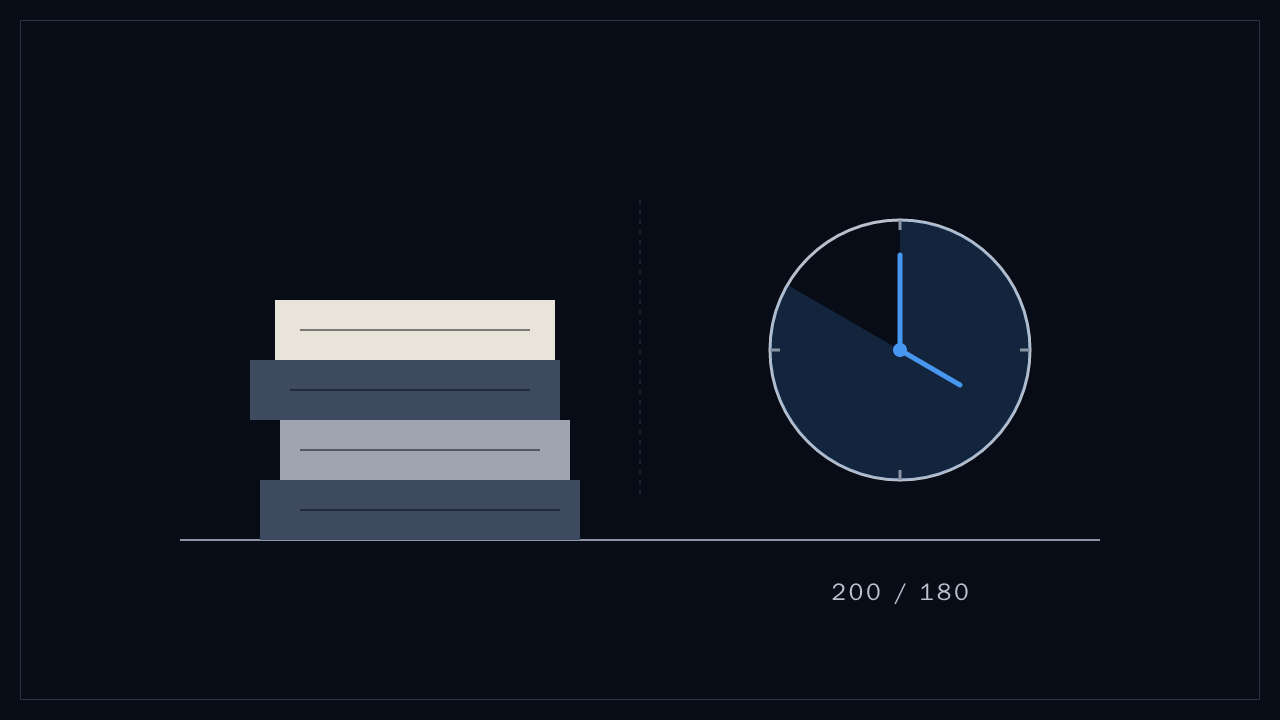
Travel deserves its own calculation. A 45-minute trip each way, six days a week, takes nine hours. That is time you could spend studying or sleeping. A nearby academy changes the calculation; an online course removes the trip but still requires lesson time.
Use the self-study guide to build a routine around textbooks, chapter practice and timed work. Start with a plan you can repeat alongside college.
You can buy only the help you need
You may need a Physics tutor without needing a whole entry-test package. You may need a weekly deadline while learning the chapters independently. Ask providers whether those options exist.
For KIPS books, the question is also how much time remains. Harder questions can deepen understanding when you have months. Near the test, a focused route through OETP, repeated errors and exam practice may fit better. The KIPS guide explains that choice.
SailToNUST's role is the practice between lessons or during self-study. The chapter bank has written explanations, and the simulator lets computer-based candidates rehearse the test controls.
Review the choice after you start
After a couple of weeks, ask what you can solve now that you could not solve before. If your attendance improved but your mistakes stayed the same, change the practice after class. If self-study keeps collapsing, add accountability or teaching.
Do not use one mock score to judge the whole route. Review the errors and the work that followed. The mock guide helps you make that review useful.
Sources and scope
- NUST directs candidates to relevant HSSC textbooks and does not sponsor private preparation activities.
- A course can provide teaching and structure. It cannot guarantee an admission result.
- Judge a plan by your work and understanding, not by advertised success counts alone.
Source: NUST admissions portal and subject weightings; preparation recommendations reviewed October 2026