With two weeks left, it is tempting to search for a timetable that promises to finish everything. A useful plan starts by admitting what you can already solve and what still needs work.
You can use the remaining days to recover forgotten methods, reduce repeated errors and rehearse the exam. Completely unfamiliar topics may still deserve a focused session if they are prerequisites or manageable gaps. Decide from the work needed, rather than banning every new idea or chasing the whole syllabus.
Choose work you can finish and review
Sort topics into secure, recoverable and unfamiliar. Secure topics need occasional checks. Recoverable ones deserve most of the active practice. For unfamiliar material, judge whether a short lesson can make useful questions solvable or whether it would consume time needed elsewhere.
Do not schedule full papers faster than you can review them. If yesterday's mistakes remain unexplained, a targeted session may help more than another sitting.
Use a focused source such as OETP for your category and your existing notes. Add hard KIPS questions selectively. This is a poor moment to begin a large new resource simply because someone else completed it.
A two-week outline you can adapt
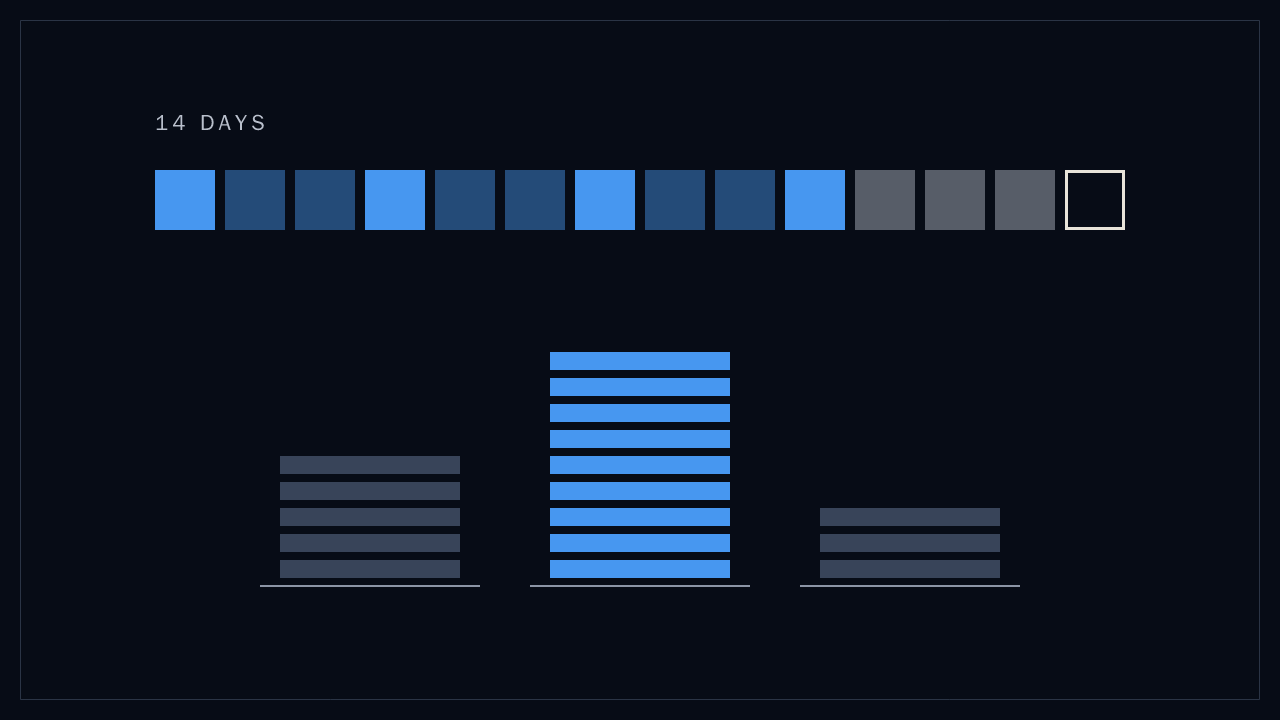
| Period | Main work | Check before moving on |
|---|---|---|
| Days 1 to 2 | Diagnose familiar material and organise mistakes | Can you name specific gaps? |
| Days 3 to 8 | Target recoverable chapters and keep English active | Can you apply the corrected method alone? |
| Days 9 to 11 | Rehearse the full format and review errors | Is the problem content, time or the controls? |
| Final days | Revisit errors, settle documents and keep review light | Are the appointment and travel clear? |
Move a rehearsal if its review needs longer. The outline assumes the test follows this period; use your actual appointment.
Keep English active
English is 20% of NET-Engineering, about 40 questions on the derived counts. NUST's FAQ says the English paper follows the SAT pattern. Those questions are short: a synonym, an analogy, a sentence to correct. If you can answer 40 of them in 20 minutes, you have bought time for Mathematics.
Thirty words a night for 12 nights is 360 words. A few of them may turn up as questions. Many more will help you rule out a wrong option.
Rehearse the decisions you will need
Use practice to make these decisions familiar before the test:
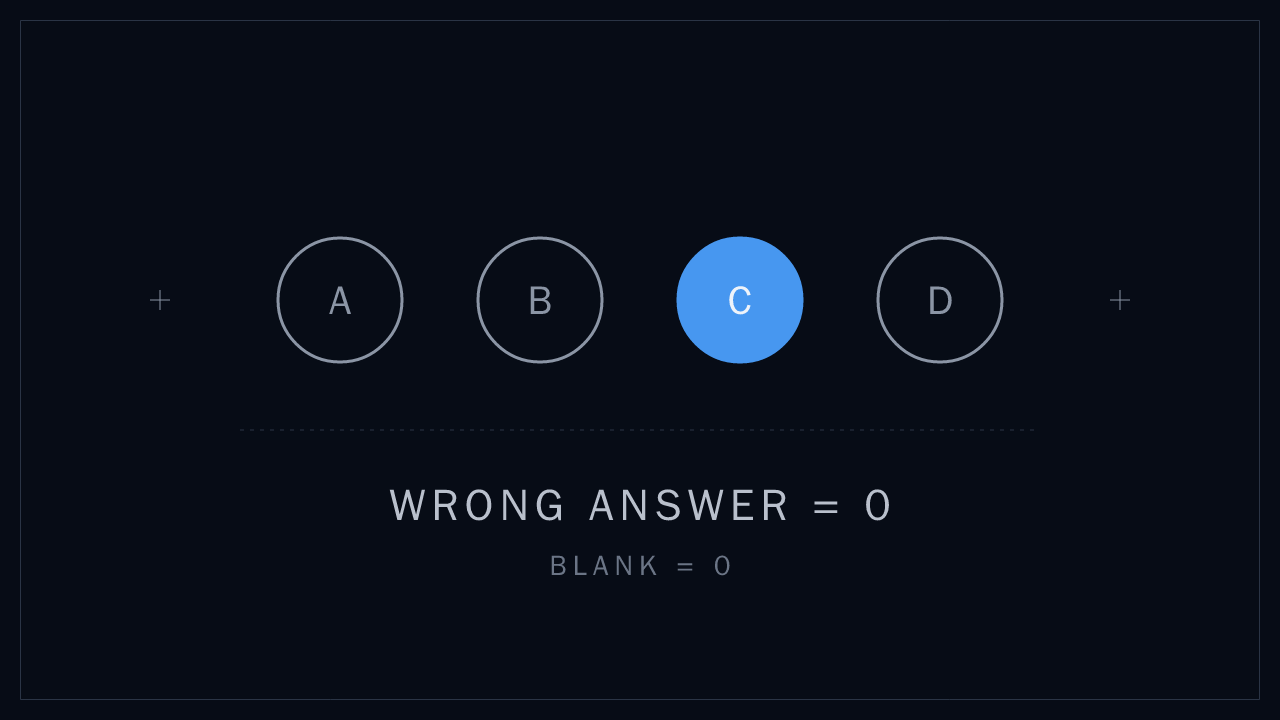
- Never leave a blank. There is no negative marking. A blind guess on four options is worth a quarter of a mark on average. See the negative marking post for the arithmetic.
- Press SAVE on every answer in CBNET. Selecting an option does not record it.
- Guess on unknown-pile questions straight away. Do not spend 54 seconds on a chapter you know you never studied. Pick an option, save, move on.
- Watch the single clock. CBNET has one timer for the whole paper, so set your own checkpoints. The pacing post has a budget per section.
Your next step
Use the chapter bank to revisit a recoverable topic, then the simulator to rehearse the controls. For book choices, read the KIPS guide.
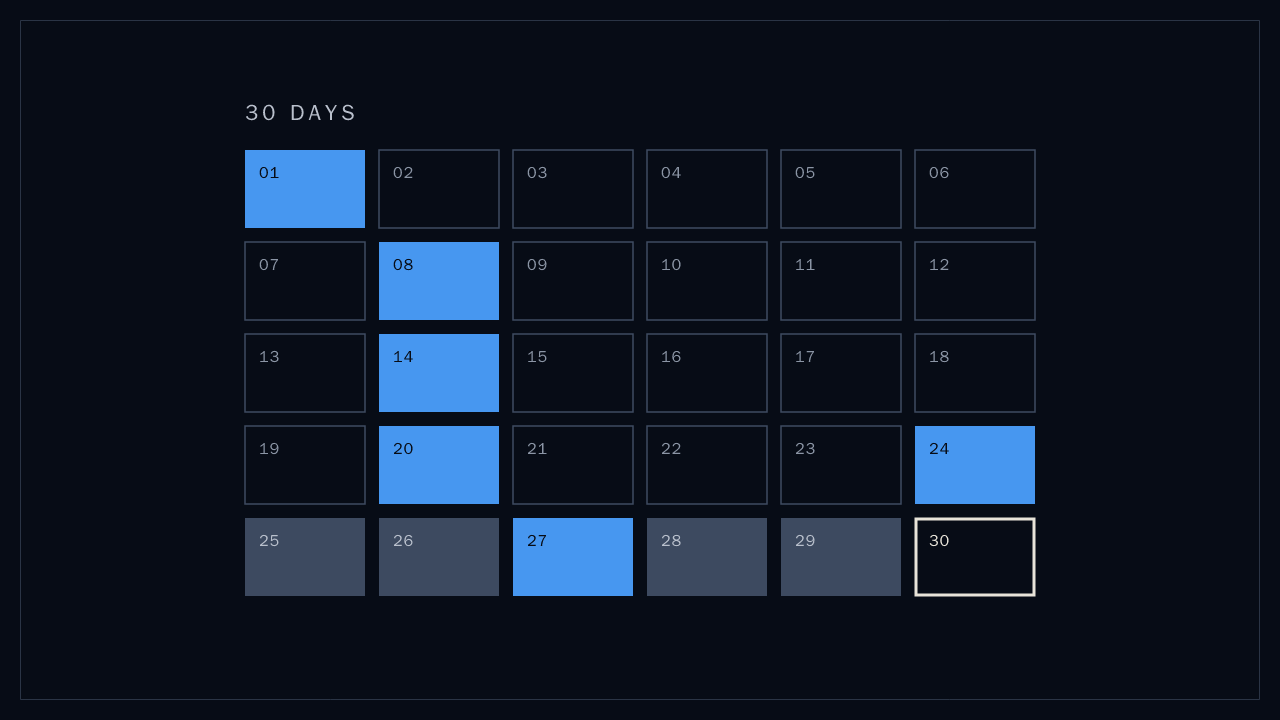
If you have more time than this, the 30-day plan allows a wider review. In the final days, use the checklist so travel and documents do not become last-minute work.
Sources and scope
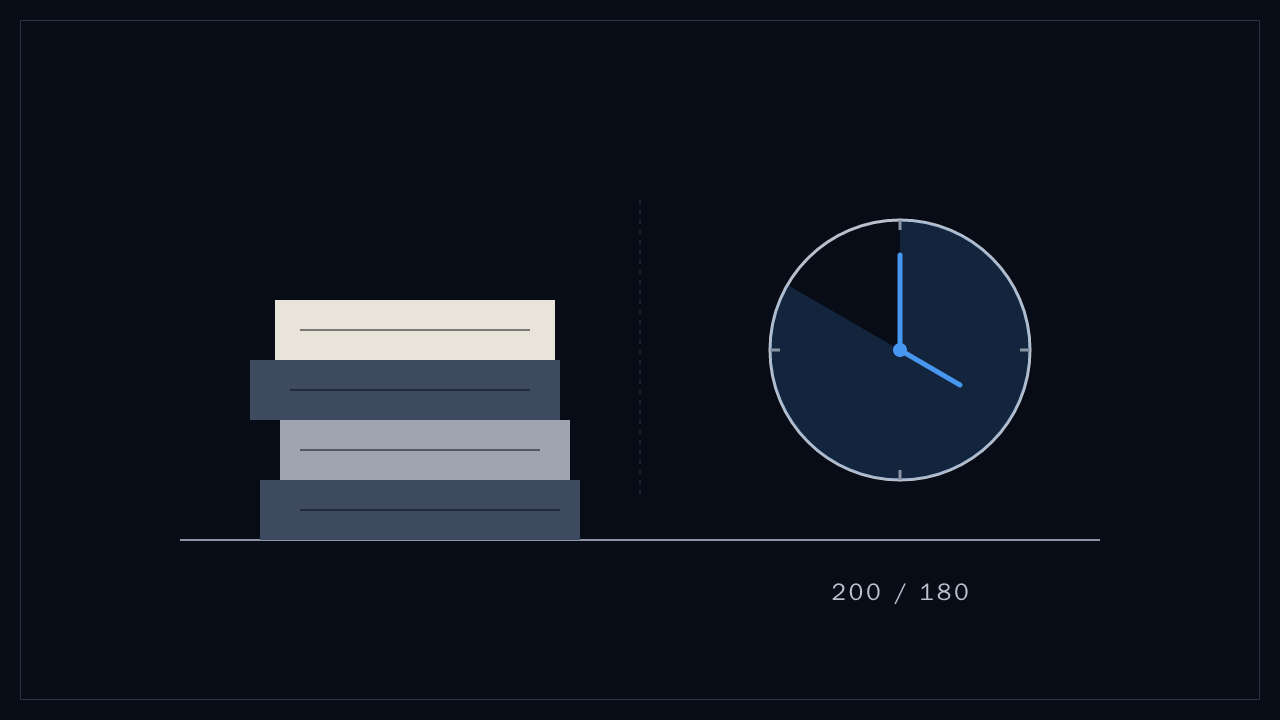
- 200 MCQs in 180 minutes, about 54 seconds a question
- No negative marking, so a blank scores the same as a wrong answer
Source: NUST published NET format and fee pages, checked October 2026