A month before NET, the best plan depends on what you already know. A student revising familiar chapters needs a different month from someone meeting the Mathematics syllabus for the first time.
Use this NET-Engineering plan to organise review, targeted learning and timed practice. Replace its chapter order with your own weak topics where needed. The aim is to improve the decisions you can make on test day, not to claim that one month guarantees a score.
Make the first paper change the plan
Start with a diagnostic if you have covered enough material to learn from it. Review the answers before filling the rest of the month. Identify topics where a small amount of revision can recover a method, as well as larger gaps that need teaching.
Protect a regular English session and time for old mistakes. If a full paper takes the morning, do not pretend the afternoon can also hold several untouched chapters and a complete review.
For short preparation, OETP can provide a focused practice route. Add selected KIPS questions when they solve a specific problem, rather than beginning a large harder book from page one.
A sample study-day structure
| Block | Time | What you do |
|---|---|---|
| Morning | 2.5 hours | Mathematics chapter: concepts, then 30 MCQs timed |
| Midday | 1.5 hours | Physics chapter: same pattern |
| Afternoon | 1 hour | Review today's wrong answers |
| Evening | 1 hour | English: 20 new words, 20 old ones, one grammar set |
On full-paper days, the paper replaces the morning and midday blocks, and the afternoon goes to marking it.
A month you can adapt
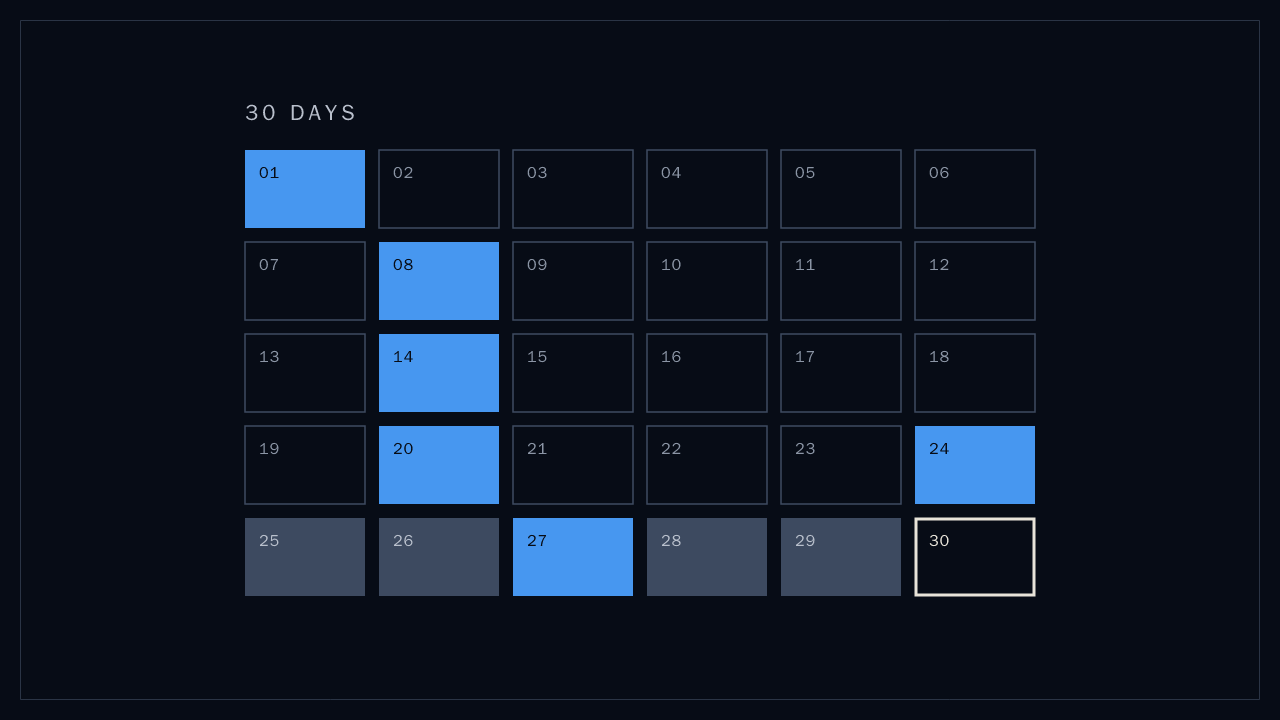
| Day | Mathematics | Physics | English |
|---|---|---|---|
| 1 | Full paper 1 (diagnostic) | ||
| 2 | Functions and Graphs | Force and Motion | Vocabulary |
| 3 | Theory of Quadratic Functions | Force and Motion | Vocabulary |
| 4 | Limit and Continuity | Work, Energy and Power | Analogies |
| 5 | Differentiation | Circular and Rotational Motion | Analogies |
| 6 | Differentiation | Waves and Vibrations | Grammar and usage |
| 7 | Further Differentiation | Waves and Vibrations | Vocabulary |
| 8 | Full paper 2 | ||
| 9 | Integration | Electrostatics and Current Electricity | Vocabulary |
| 10 | Integration | Electrostatics and Current Electricity | Grammar and usage |
| 11 | Analytical Geometry | Electromagnetism | Analogies |
| 12 | Conic Section | Electromagnetism | Vocabulary |
| 13 | Trigonometric Identities | Heat and Thermodynamics | Grammar and usage |
| 14 | Full paper 3 | ||
| 15 | Review of papers 1 to 3 | Vocabulary | |
| 16 | Permutations and Combinations | Simple Harmonic Motion | Vocabulary |
| 17 | Sequences and Series | Physical Optics | Analogies |
| 18 | Matrices and Determinants | Alternating Current | Grammar and usage |
| 19 | Complex Numbers | Quantum Physics | Vocabulary |
| 20 | Full paper 4 | ||
| 21 | Vectors in Space | Measurements | Vocabulary |
| 22 | Weakest chapter from papers | Nuclear and Particle Physics | Analogies |
| 23 | Weakest chapter from papers | Weakest chapter from papers | Grammar and usage |
| 24 | Full paper 5 | ||
| 25 | Fix the chapters paper 5 exposed | Vocabulary | |
| 26 | Fix the chapters paper 5 exposed | Vocabulary review | |
| 27 | Full paper 6, on the CBNET simulator if you sit CBNET | ||
| 28 | Rework every wrong answer from papers 4 to 6 | ||
| 29 | Light review, documents, travel | ||
| 30 | Test day |
Chapters not in the table, such as Partial Fractions, Differential Equations, Kinematics, Solids and Fluid Dynamics and Special Theory of Relativity, are the ones to pick up on days 22 and 23 only if your papers show you losing marks there. Otherwise leave them. Thirty days forces trade-offs, and the table makes them for you.
Adjust the workload when a day goes wrong
It will. A family event, a bad day, a chapter that takes three days instead of one. Two rules:
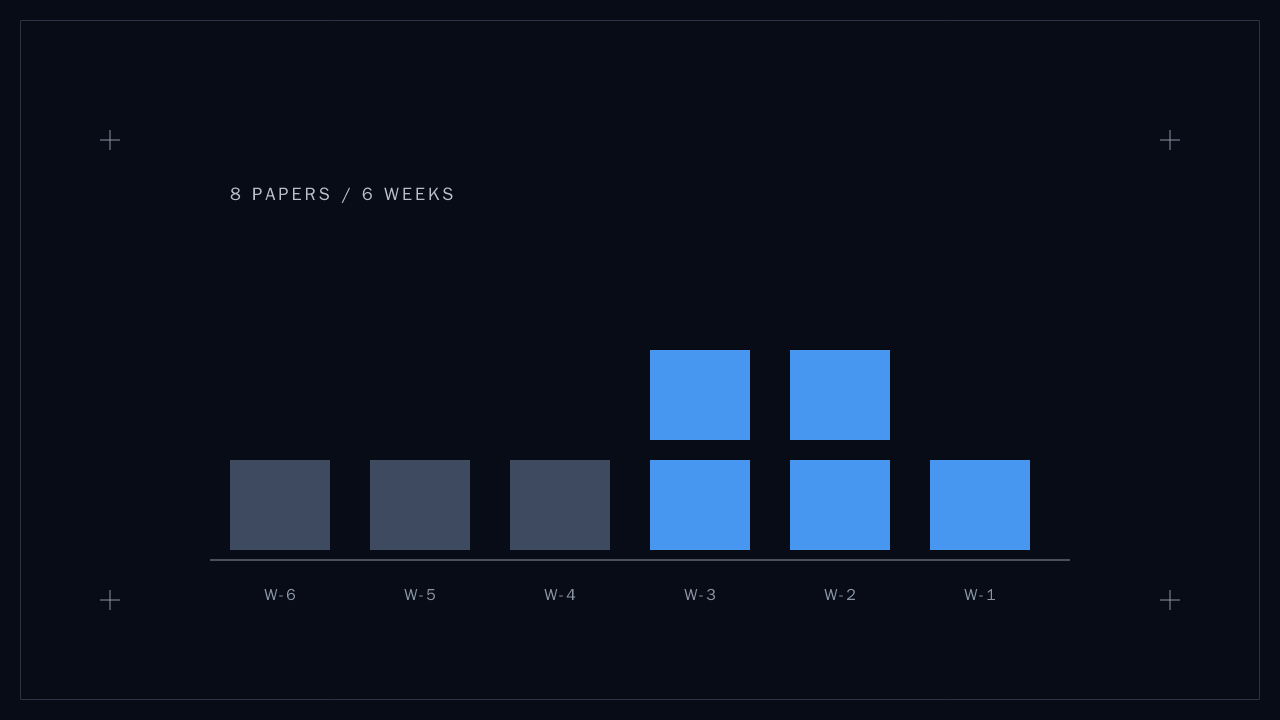
- Never drop a full-paper day. Push a chapter instead.
- If you are more than two days behind by day 18, cut the Physics chapters on days 16 to 19 down to MCQs only, and keep the Mathematics ones.
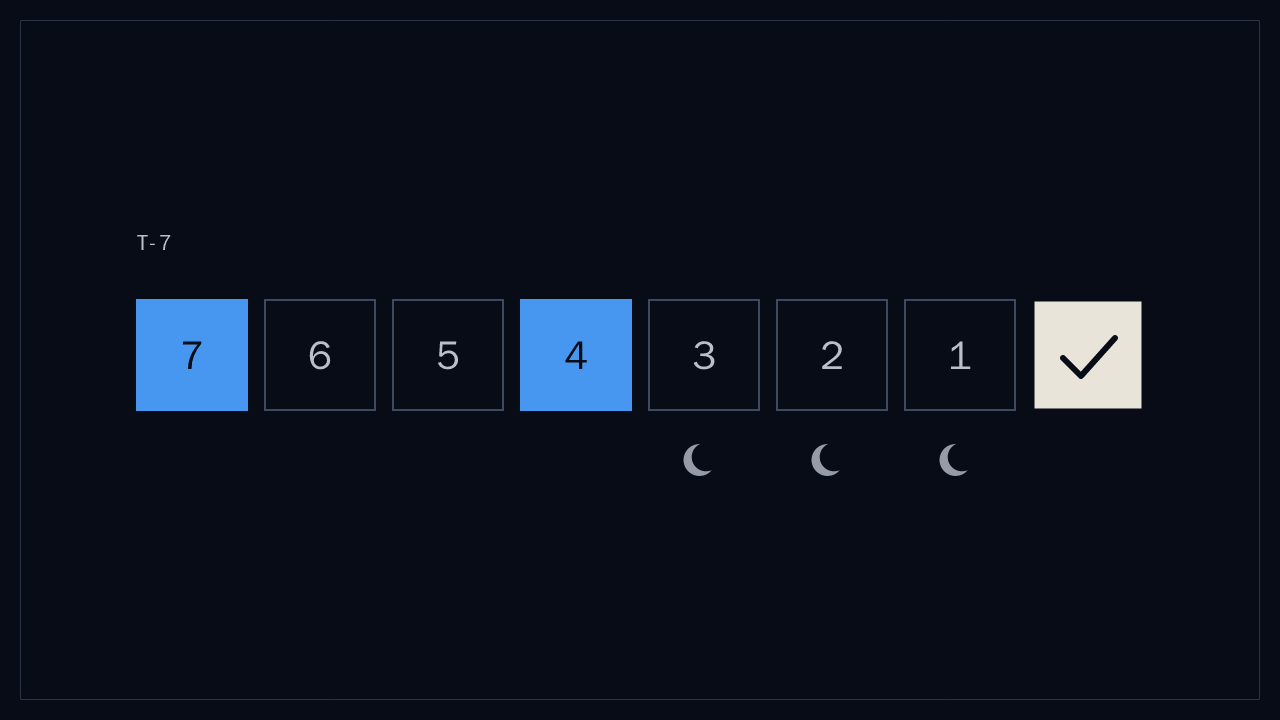
For the final days in more detail, see the last week before NET.
Your next step
Use free chapter practice for the weaknesses the diagnostic exposed. Read the KIPS and OETP advice before adding another resource.
The mock guide helps you choose a manageable test rhythm, and the simulator prepares you for the CBNET controls. Leave the final days for review, logistics and a routine you can sustain.
Sources and scope
- NET-Engineering: Mathematics 50%, Physics 30%, English 20%
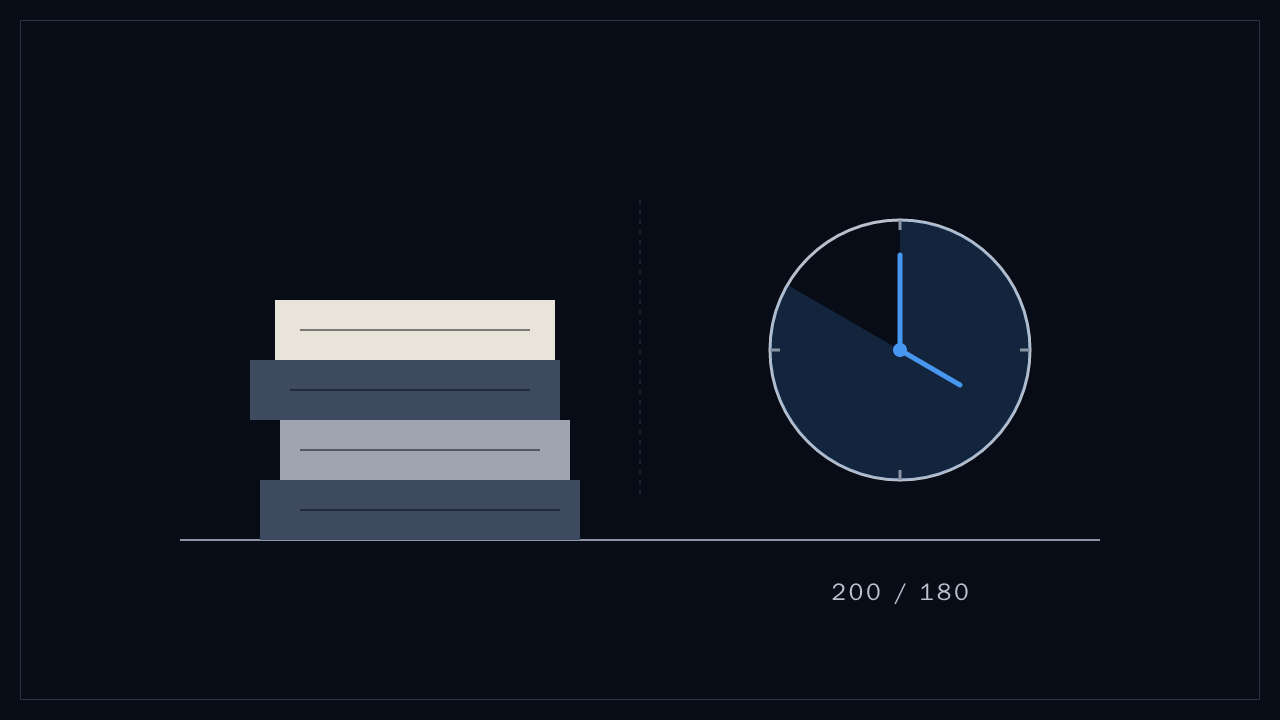
- 200 MCQs in 180 minutes, no negative marking
Source: NUST subjects and weightings page, checked October 2026