Three months gives you room to prepare for NET, review mistakes and change the plan when a chapter takes longer than expected. It does not mean every student starts from the same point or needs the same number of study hours.
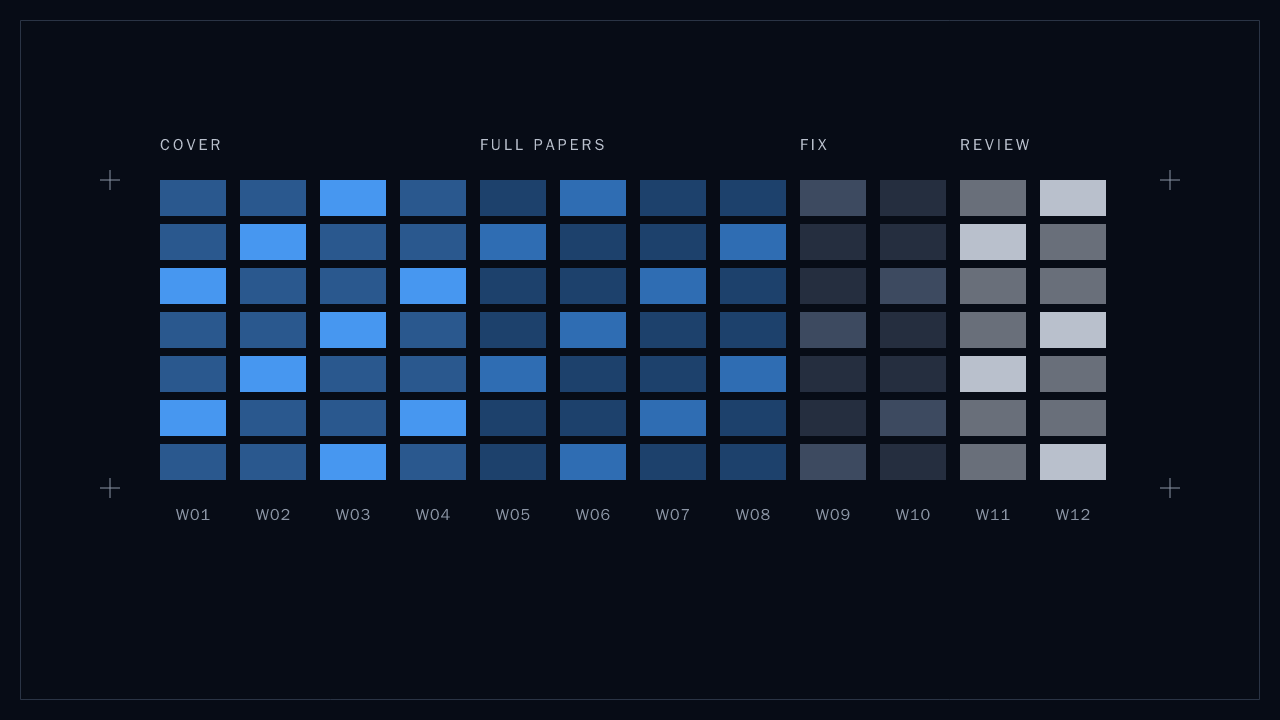
This is a sample plan for NET-Engineering. Use the early weeks to build and check understanding, the middle weeks to mix topics, and the final weeks to practise the full paper and repair recurring errors.
Set a baseline before filling the calendar
Begin with a syllabus checklist and a short diagnostic from topics you have studied. Mark each topic as secure, uncertain or not yet covered. That is more useful than treating every chapter as equally unfinished.
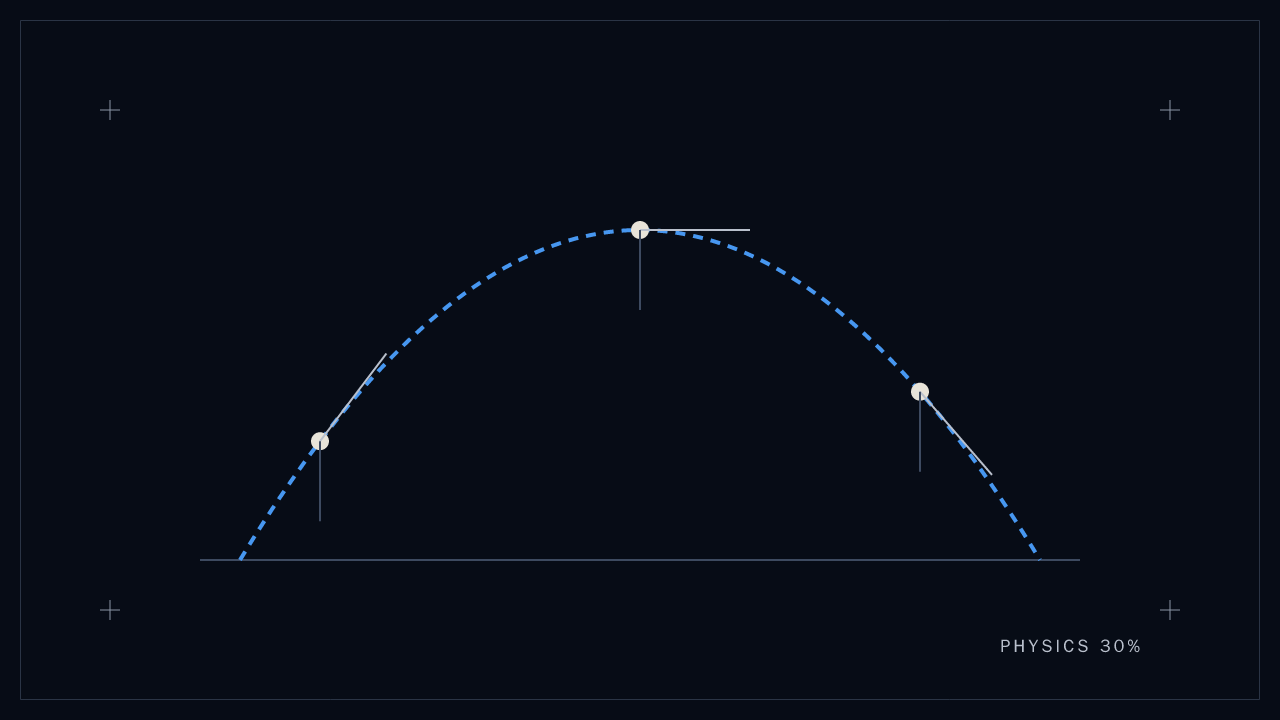
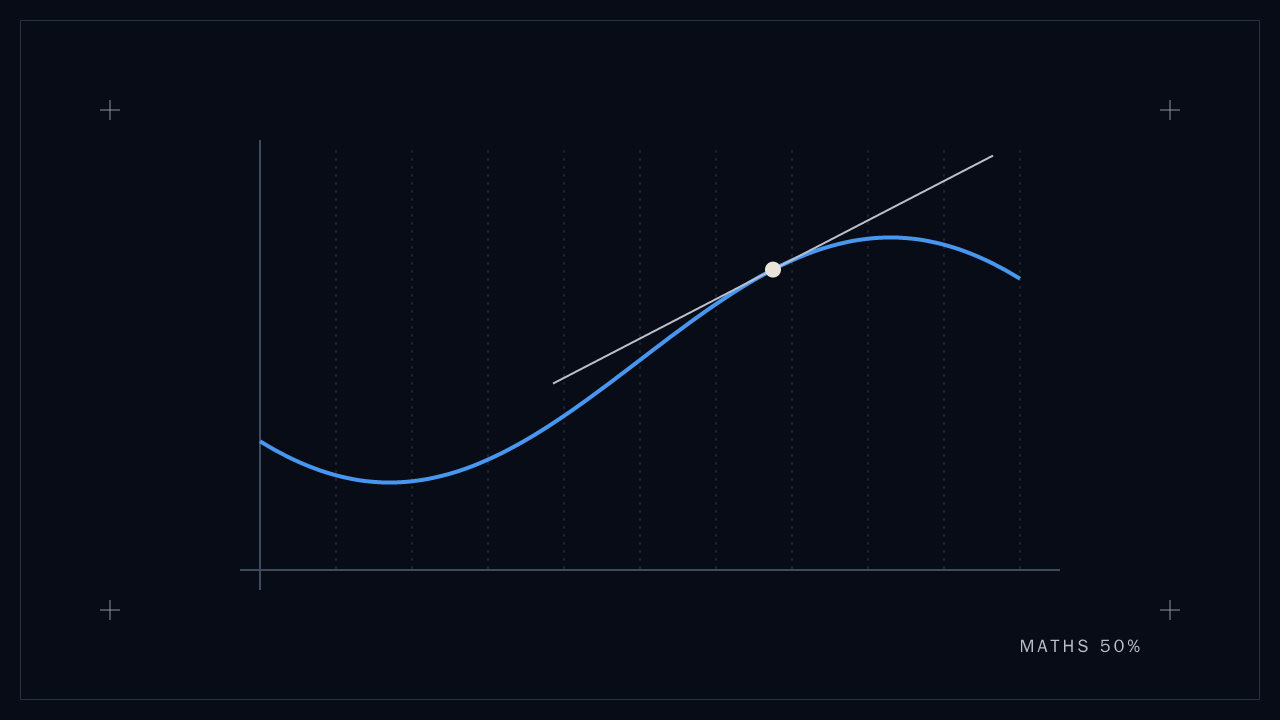
Give Mathematics the largest regular block, but adjust the balance when Physics or English needs attention. Subject weights guide planning; they do not require every day to have identical proportions.
Review the plan weekly. If a chapter needs another session, move lower-priority new work rather than removing mistake review or sleep. Progress means solving more independently, not keeping every box on the original timetable.
First month: build and test the foundations
This sample order begins with connected topics. Adjust it for what you have already studied; it does not predict chapter weights.
| Week | Mathematics | Physics | English |
|---|---|---|---|
| 1 | Functions and graphs, limit and continuity | Kinematics, force and motion | Vocabulary list, 20 words a day |
| 2 | Differentiation and further differentiation | Work, energy and power, circular and rotational motion | Sentence correction |
| 3 | Integration | Waves and vibrations, simple harmonic motion | Comprehension, timed |
| 4 | Analytical geometry and conic sections | Electrostatics and current electricity | Analogies and synonyms |
End each chapter with 30 to 50 MCQs from the practice library. Review the errors before deciding whether the chapter needs another session.
Second month: mix topics and rehearse the paper
Cover the remaining chapters on the syllabus page: trigonometry, matrices and determinants, complex numbers, sequences and series, and permutations and combinations in Mathematics, plus electromagnetism, physical optics, heat and thermodynamics, and nuclear physics.
From week 5, sit one full-length paper each weekend. Sit it in one go, timed, with your phone in another room. Use the review to identify chapters and decisions that need work; the score alone does not provide that plan.
Use errors to choose revision
Reduce new material as the test approaches. Group paper errors by cause and chapter, then balance targeted repair with full-paper rehearsal. Leave time to review each sitting.
This is also the time to learn the test interface. If you are sitting CBNET, do at least one paper on the CBNET simulator. The SAVE button and the missing question grid cost first-timers real minutes.
Your next step
Use chapter practice for the topic work and full papers for exam rehearsal. Keep the maths and physics guides beside the syllabus checklist.
As the test approaches, read the last-week guide and adapt the workload to what you have already reviewed. The timetable is a tool, not a score guarantee.
Sources and scope
NET-Engineering uses Mathematics 50%, Physics 30% and English 20%. The weekly schedule here is a sample study plan, not a university requirement.
Source: NUST subject weightings and HSSC textbook guidance; reviewed October 2026