Applying to several universities can protect your options, but it can also scatter your preparation. Four test names do not require four separate starts from the textbooks. They do require separate attention to subjects, marking rules and dates.
Build the shared Mathematics first, keep Physics where the test requires it, and plan specific blocks for English, analytical questions and any additional subject. Then rehearse each format instead of hoping that a NET mock covers everything.
Compare the differences
| Preparation requirement | NET-Engineering | ECAT Pre-Engineering | FAST computing | GIKI |
|---|---|---|---|---|
| Mathematics | Yes | Yes | Yes | Yes |
| Physics | Yes | Yes | No | Yes |
| Chemistry | No | Yes | No | No |
| English | Yes | Yes | Yes | Yes |
| Analytical skills section | No | No | Yes | Not stated |
How to use this in your plan
Make two lists: shared concepts and test-specific work. Revise a shared chapter once, then solve questions in the formats you need. This avoids watching several versions of the same lesson while leaving unfamiliar question types untouched.
Keep a calendar for registration deadlines as well as test dates. A preparation plan cannot rescue a missed application. Use the current institutional schedules; last year's dates are context, not next year's appointments.
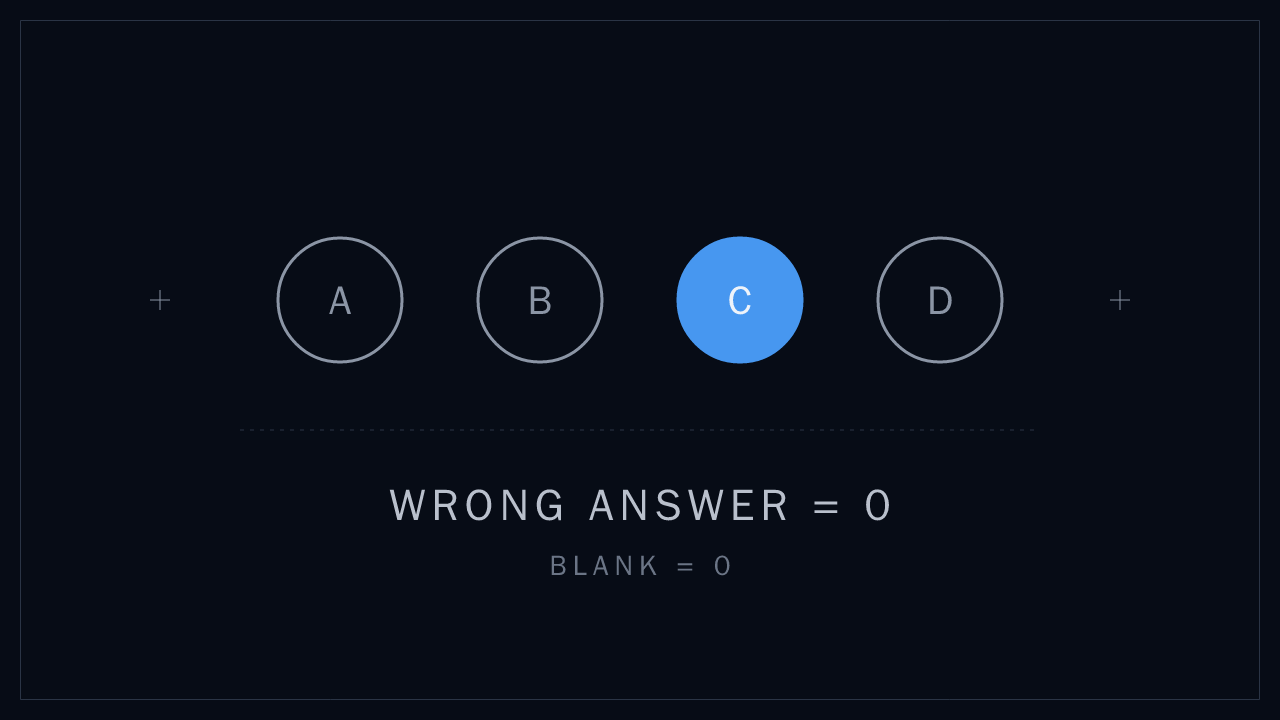
Before each test, read its marking instructions afresh. A guessing strategy suitable for NET is not automatically suitable for FAST or another test.
Map the overlap before making a timetable
| NET-Engineering | ECAT (Pre-Engg) | FAST (BS CS/Engg) | GIKI | PIEAS (Pre-Engg) | |
|---|---|---|---|---|---|
| Mathematics | 50% | 30 of 100 | 70% | Yes | 30 of 100 |
| Physics | 30% | 30 of 100 | No | Yes | 30 of 100 |
| Chemistry | No | 30 of 100 | No | No | 30 of 100 |
| English | 20% | 10 of 100 | 10% | Yes | 10 of 100 |
| Analytical and IQ | No | No | 20% | No | No |
| Negative marking | No | No | Yes | 2013 sample: yes | No |
| Length | 200 MCQs, 180 min | 100 MCQs, 100 min | Not published | Not published | 100 MCQs, 180 min |
GIKI's current pages say its test covers intermediate Physics, Mathematics and English, but they don't give weights. Its 2013 sample paper, still linked from its syllabus page, put 60 Physics and Mathematics MCQs in Part A, marked +3 right and -1 wrong. Part B had 20 English questions with no penalty.
Read the table by rows. Mathematics is in every column, so it pays first. Physics is in four of five. English is in all five, but in three forms: NET's vocabulary and grammar, ECAT's comprehension and FAST's mixed section. Chemistry is in two. FAST's analytical section is in one.
That gives you a priority order: Mathematics, then Physics, then English, then Chemistry if ECAT or PIEAS is on your list, then FAST's analytical section if FAST is.
Rehearse a separate marking strategy
This is the mistake that costs marks in July. Months of NET practice teach you to answer every question, since NET has no negative marking. ECAT and PIEAS reward the same habit. FAST doesn't. It states negative marking, though its page doesn't give the penalty.
Before a FAST sitting, do one full practice paper where you skip the blind guesses and answer only what you can narrow to two options. If GIKI's admit card shows negative marking, use the same rule there. Then switch back for anything with no penalty. The negative marking post explains the NET side.
Your next step
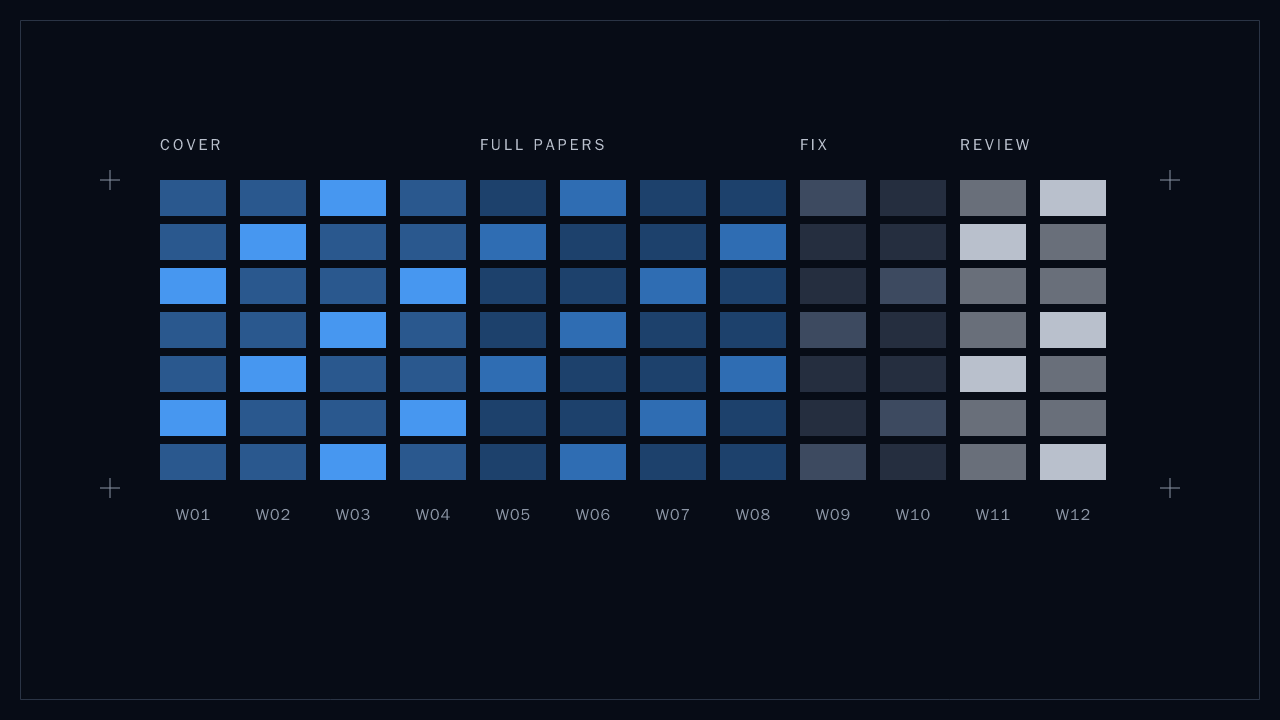
Choose a realistic NET series using the series guide, then reserve the weeks needed for the other applications and formats. If NET is your first test, the three-month plan provides a starting routine.
Use chapter practice for shared concepts and NET full papers for that exam's rehearsal. Keep a separate error log section for test-specific mistakes.
Sources and scope
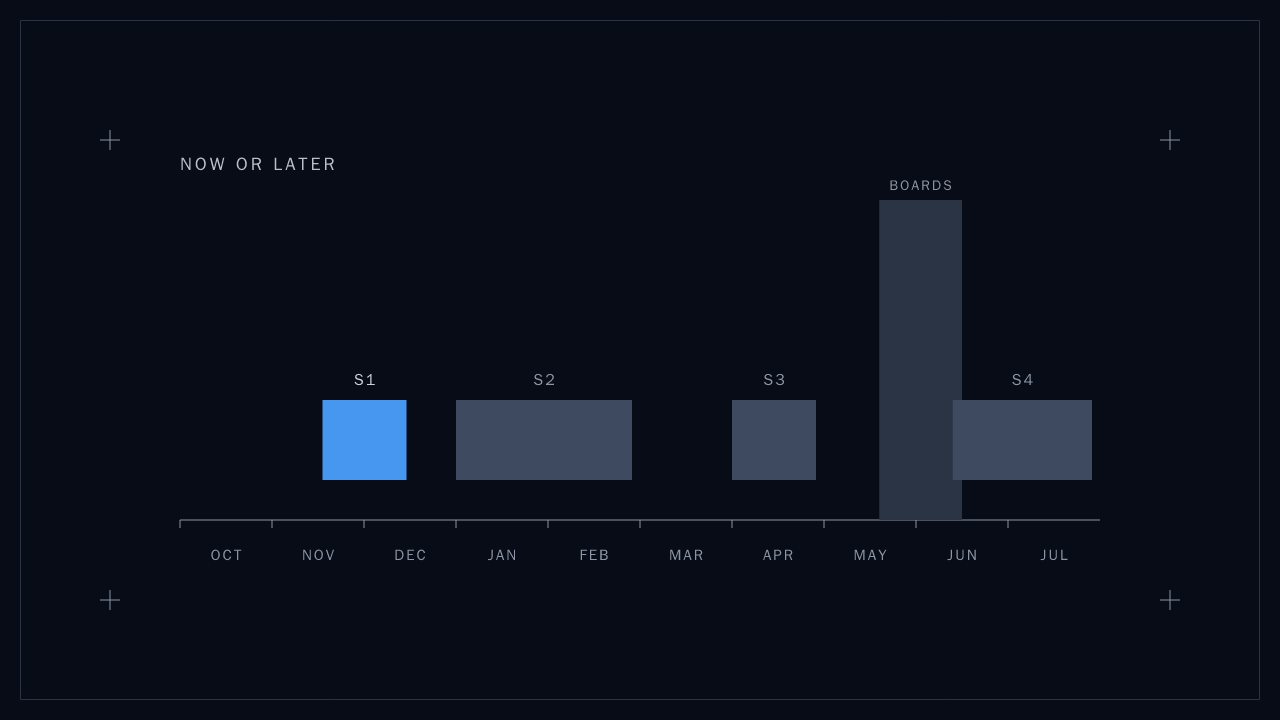
- NUST's tentative NET-2027 Series-1: registration 4 October to 19 November 2026 (extended from 14 November), CBNET from 17 November 2026
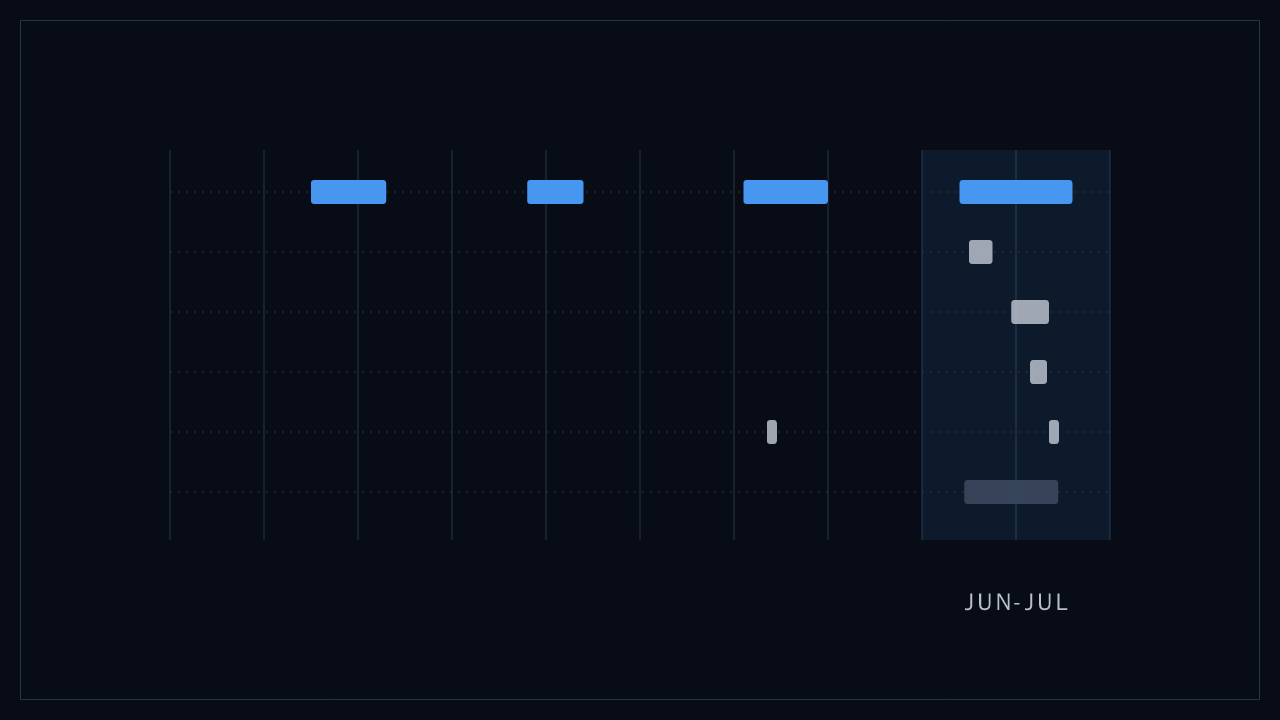
- 2026 clash window: NET Series-4 from 13 June, second ECAT 16 to 21 June, FAST 29 June to 10 July, GIKI 6 to 10 July, PIEAS 12 July
Source: NUST weightings and dates pages; ecat.uet.edu.pk and UET admissions FAQ; FAST-NUCES test pattern and schedule; GIKI undergraduate admissions pages; PIEAS admission schedule and BS leaflet; checked October 2026