The NET pattern matters because it tells you what to prepare and how the work will be tested. Start with your paper category; an Engineering plan does not cover a Business or Architecture paper simply because all are called NET.
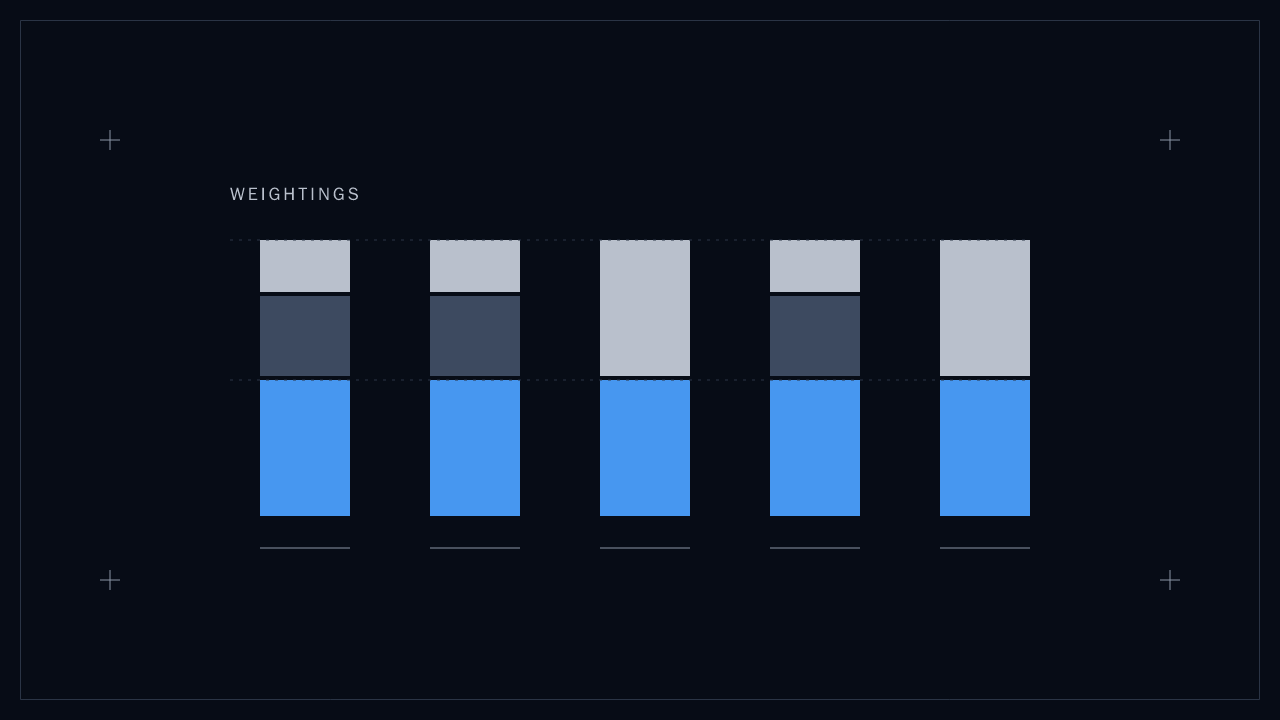
The usual format is a timed multiple-choice test with no negative marking. NUST publishes subject weightings by paper. Question counts derived from a total are a planning aid, not a guaranteed chapter distribution.
Choose the category before the timetable
Identify the paper required by your intended degree, then use its subject weights to organise study. Weights guide the overall balance while your mistakes decide where extra sessions go.
Practise the complete sitting once you have enough coverage to review it usefully. Solving a topic untimed and switching between subjects under one clock are different tasks.
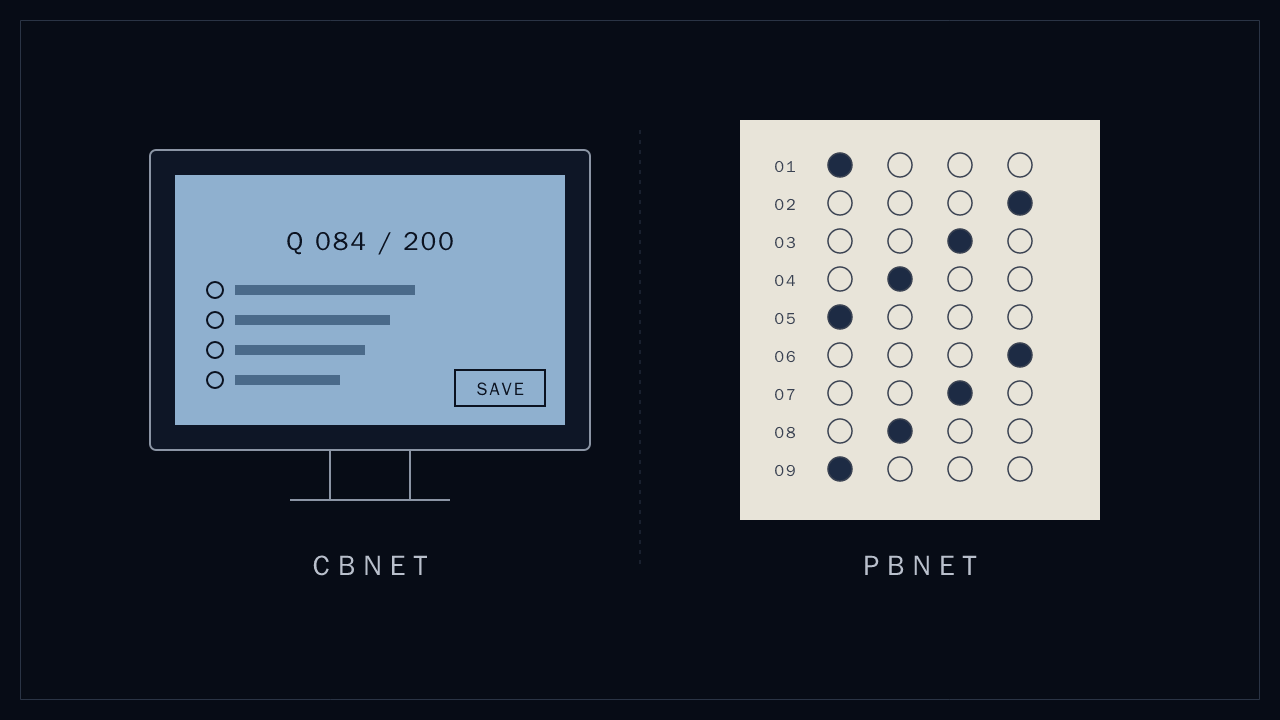
For CBNET, include the controls in the rehearsal. For PBNET, include recording answers on the answer sheet. Test mode changes how you work, while your category determines the subject mix.
Read the overall test format
| Item | NET |
|---|---|
| Questions | 200 MCQs |
| Total marks | 200 |
| Time | 180 minutes |
| Options per question | 4 |
| Wrong answer | 0 marks, same as a blank |
| Average time per question | 54 seconds |
| Modes | CBNET (Islamabad, Quetta), PBNET (Karachi, Gilgit) |
| CBNET sessions | 0900 to 1200, or 1400 to 1700 |
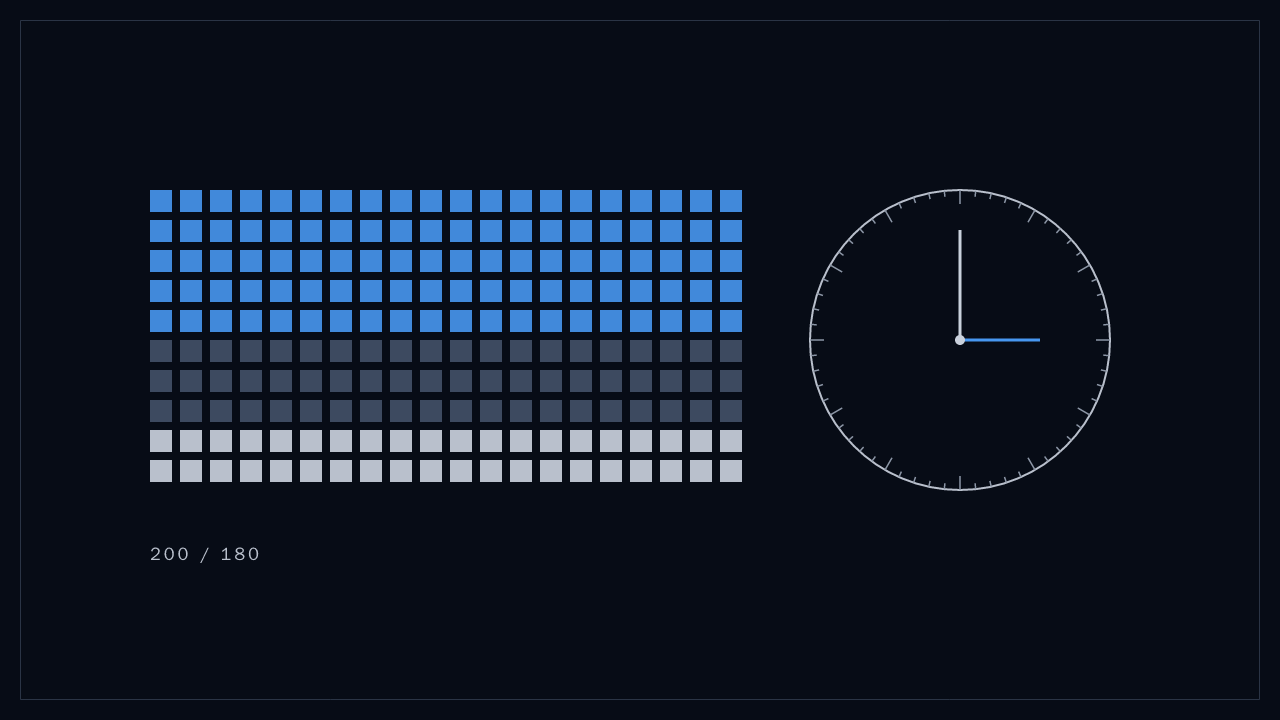
The 54 seconds is simple arithmetic: 180 minutes is 10,800 seconds, divided by 200. NUST's salient features page says the pattern and standard are the same for both test modes, so a CBNET candidate and a PBNET candidate sit the same kind of paper.
Match the subjects to your paper
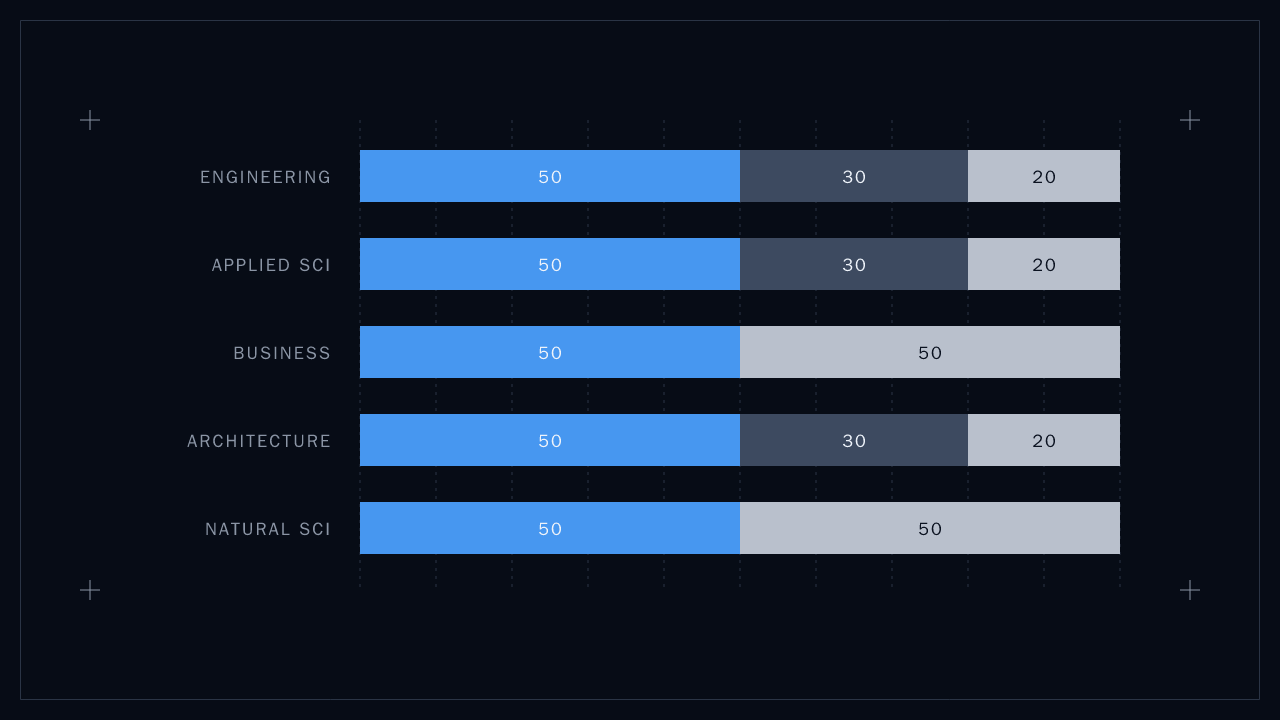
NUST publishes weightings. Applied to 200 questions, they give the counts below. The counts are derived from the weightings, so treat them as close estimates.
| Paper | Weightings | Derived question count |
|---|---|---|
| NET-Engineering | Maths 50%, Physics 30%, English 20% | 100 / 60 / 40 |
| NET-Applied Sciences | Biology 50%, Chemistry 30%, English 20% | 100 / 60 / 40 |
| NET-Business Studies & Social Sciences | Quantitative Maths 50%, English 50% | 100 / 100 |
| NET-Architecture | Design Aptitude 50%, Maths 30%, English 20% | 100 / 60 / 40 |
| NET-Natural Sciences | Maths 50%, English 50% | 100 / 100 |
Not sure which one you sit? Which NET paper should you take maps every programme to its paper. The chapters behind each subject are in the NET syllabus post.
Account for the test controls
On the computer-based test, the 200 questions come one at a time. Our notes on the real client:
- You must press SAVE on every answer. Selecting an option commits nothing.
- You cannot flag a question for review until it has a saved answer.
- There is no question grid. You move with Next, Prev, First and Last.
- There is no per-section timer, only one clock for the paper.
On PBNET you get a booklet and an answer sheet. You can jump anywhere, but you spend time bubbling. The CBNET vs PBNET post compares the two.
Your next step
Use the syllabus and paper guide to confirm what belongs in your preparation. Start topic work in the chapter bank.
For Engineering, full papers let you rehearse the complete test. Other applicants should choose a paper matching their own category rather than using the Engineering subject mix.
Sources and scope
- 200 MCQs, 200 marks, one mark per correct answer
- 180 minutes for the whole paper
Source: NUST UG FAQ, UG brochure and subjects-with-weightings page, checked October 2026